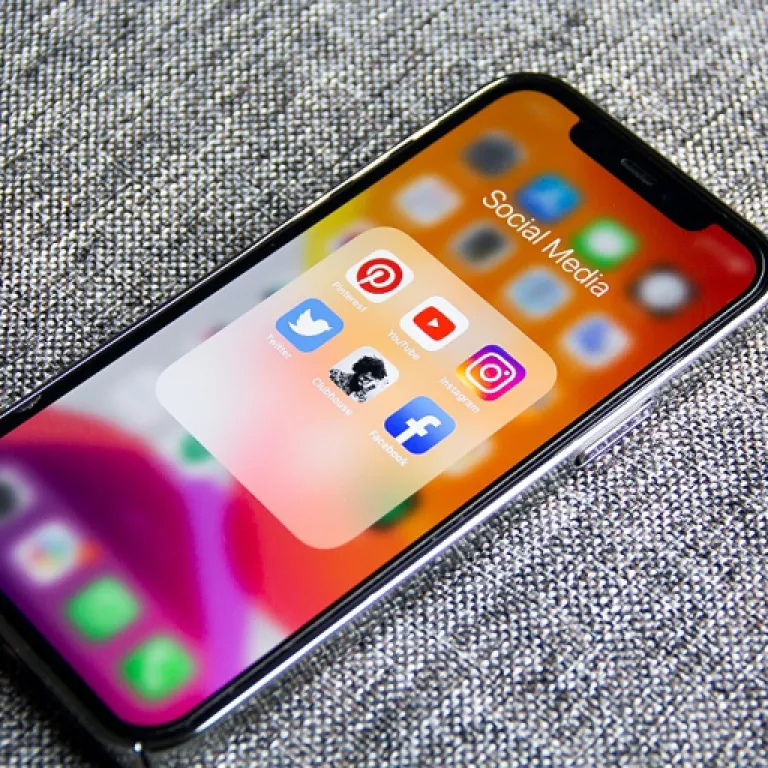
Understanding the link between social media and inbound marketing
Why Social Media Matters for Inbound Marketing
Social media has become an important part of digital marketing strategies for businesses of all sizes. Its role in inbound marketing is especially significant, as it helps brands connect with their audience in real time and create valuable content that attracts, engages, and delights customers. The relationship between social media and inbound marketing is built on the idea of providing value first, rather than pushing products or services directly.
- Audience Reach: Social media platforms allow businesses to reach people where they spend much of their time online. This broadens the potential audience for your brand and increases the chances of attracting new customers.
- Content Distribution: Sharing valuable content on active social channels helps drive traffic to your website and supports your overall SEO efforts. When people engage with your posts, it signals to search engines that your brand is relevant and trusted.
- Social Proof: User-generated content, reviews, and testimonials on social media provide social proof, which can influence the decision-making stage for potential customers. This builds credibility and trust for your business.
- Community Building: Social media is not just about broadcasting messages. It’s about fostering relationships and creating a community around your brand. This active social presence encourages ongoing engagement and loyalty.
Integrating social media into your inbound marketing strategy means you’re not only increasing brand awareness but also creating opportunities to listen to your audience, adapt your content, and make smarter marketing decisions. For a deeper look at how artificial intelligence is transforming these strategies, explore this resource on AI-driven marketing strategies.
Building brand awareness through social channels
Expanding Your Brand’s Digital Footprint
For businesses aiming to grow, a strong social media presence is an important part of any inbound marketing strategy. Social channels offer a direct way to showcase your brand’s personality and values, helping you connect with your audience on a more personal level. By consistently sharing valuable content, brands can position themselves as trusted sources in their industry, making it easier for people to remember and recognize them across different media platforms.
- Visual identity: Consistent branding across your social media accounts reinforces your business’s image and makes your content instantly recognizable.
- Content variety: Sharing a mix of generated content, customer testimonials, and user-generated content keeps your audience engaged and encourages sharing, which boosts your reach.
- Social proof: Positive interactions, reviews, and shares act as social proof, building trust with potential customers who discover your business through social channels.
Reaching New Audiences and Building Trust
Social media marketing is a valuable tool for reaching people who may not have found your website through traditional search. By participating in active social conversations and using targeted media marketing campaigns, you can introduce your brand to new segments and drive awareness at every stage of the customer journey. Social listening also allows you to understand what your audience cares about in real time, so you can create content that resonates and meets their needs.
As part of your digital marketing efforts, integrating social media into your inbound approach helps you build a loyal community. When customers see your brand engaging with others and responding to feedback, it strengthens their trust and makes them more likely to become advocates for your business. For more on how AI is shaping these strategies, see this resource on AI-driven guestographic strategies in SEO.
Driving website traffic with engaging content
Creating Shareable Content That Drives Visitors
Engaging content is the engine that powers both social media and inbound marketing strategies. When businesses create valuable content tailored to their audience, they not only build brand awareness but also encourage people to share and interact with their posts. This process helps brands reach new customers and drive targeted website traffic, which is an important part of any digital marketing plan.
- Valuable content—such as blog articles, infographics, or user-generated content—captures attention and motivates people to visit your website for more information.
- Active social media presence allows businesses to distribute content in real time, meeting customers where they already spend time online.
- Social proof, like shares and comments, signals to search engines and potential customers that your brand is trusted and relevant.
Optimizing for SEO and Audience Engagement
Sharing content across media platforms is not just about visibility. Each post, story, or video can improve your SEO by generating backlinks and increasing on-site engagement. Social listening tools help brands understand what topics resonate with their audience, enabling them to create content that answers real questions and solves real problems. This approach strengthens your inbound marketing by attracting people at every stage of the customer journey.
| Social Media Action | Inbound Marketing Benefit |
|---|---|
| Sharing blog posts | Drives targeted website traffic |
| Encouraging user-generated content | Builds trust and social proof |
| Real-time engagement | Increases brand awareness and loyalty |
To maximize results, businesses should integrate their social and inbound strategies. For example, content repurposing for SEO can extend the reach of your best-performing assets, ensuring your marketing efforts remain efficient and effective. By focusing on valuable content and active engagement, brands can turn their social media presence into a powerful driver of inbound website traffic.
Fostering community and customer relationships
Creating Meaningful Connections with Your Audience
Building a strong social media presence is an important part of inbound marketing. It goes beyond simply sharing content; it’s about creating real-time conversations and fostering genuine relationships with your audience. When businesses actively engage with customers on media platforms, they demonstrate that they value feedback and care about the people behind the profiles.
- Social listening allows brands to monitor conversations and trends, helping them respond to customer needs and concerns quickly. This responsiveness builds trust and shows that your business is attentive to its audience.
- Encouraging user-generated content is another effective way to foster community. When customers share their experiences with your brand, it acts as social proof, increasing credibility and reach.
- Hosting Q&A sessions, polls, or live events on social channels can make your audience feel heard and involved. This active social engagement helps turn followers into loyal customers and brand advocates.
Integrating these strategies into your digital marketing approach not only strengthens relationships but also supports your overall marketing strategy. As your audience grows and interacts with your brand, you gain valuable insights that can inform future content and web design decisions. Ultimately, fostering community through social media is a key stage in building a successful inbound marketing strategy, helping businesses create lasting connections and drive long-term growth.
Leveraging social insights for smarter marketing decisions
Turning Social Insights into Actionable Marketing Moves
Social media platforms are a goldmine for real-time insights about your audience, customers, and brand perception. By actively listening to what people say and share, businesses can identify trends, spot opportunities, and address concerns faster than ever. This process, known as social listening, is an important part of any inbound marketing strategy. It helps brands understand what content resonates, which topics spark engagement, and how their media presence is perceived.
- Audience Preferences: Monitoring conversations and generated content allows businesses to tailor their messaging and create more valuable content that speaks directly to their audience’s needs.
- Brand Health: Social proof, such as positive reviews and user-generated content, builds trust and authority. It’s a key signal for both potential customers and search engines, supporting SEO efforts and brand awareness.
- Competitor Insights: Observing how competitors interact with their audience on media platforms can reveal gaps or opportunities for your own business to stand out.
Integrating these insights with other digital marketing tactics, like web design or content creation, ensures your inbound marketing remains agile and customer-focused. The ability to adapt in real time based on social feedback is what makes media inbound strategies so effective. Brands that treat social as an active part of their marketing, rather than a separate channel, are better equipped to reach people at every stage of the customer journey and drive meaningful results.
Integrating social media with other inbound tactics
Creating a Seamless Experience Across Channels
For businesses aiming to maximize their inbound marketing impact, integrating social media with other tactics is an important part of a successful marketing strategy. A unified approach ensures that your brand message remains consistent, whether your audience encounters your content on social media, your website, or through email campaigns. This consistency builds trust and reinforces brand awareness at every stage of the customer journey.
Amplifying Content Reach and Engagement
When you share valuable content across multiple media platforms, you expand your reach and increase the chances of engaging new customers. For example, a blog post published on your website can be repurposed into bite-sized social media updates, infographics, or even short videos. This not only drives more traffic to your site but also encourages active social participation and user-generated content, which acts as social proof for your brand.
Leveraging Social Insights for Better Targeting
Social listening tools allow businesses to gather real time feedback and insights from their audience. By analyzing these data points, you can refine your inbound marketing campaigns and create content that resonates with your target customers. This data-driven approach helps you identify what topics are trending, what questions people have, and how your brand can provide valuable answers, making your media presence more relevant and effective.
Enhancing SEO and Web Design Synergy
Integrating social media with your website and SEO efforts is crucial for digital marketing success. Social signals, such as shares and engagement, can indirectly influence your search rankings by increasing visibility and driving more visitors to your site. Additionally, a well-designed website that encourages sharing and interaction makes it easier for people to spread your content, further boosting your inbound results.
- Share content across channels for broader reach
- Use social insights to inform content creation
- Encourage user-generated content for social proof
- Align web design with social sharing features
By making social media an integrated part of your inbound marketing, you create a cohesive experience that nurtures relationships, builds brand loyalty, and drives measurable business growth.
