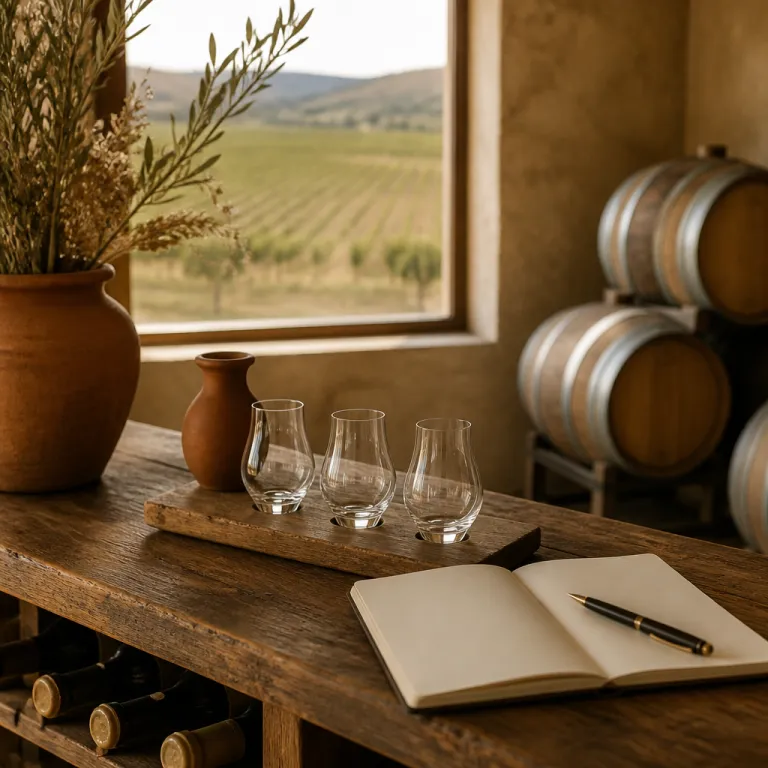
Why winery SEO tasting room pages beat product listings
When someone searches for wine on Google, product results usually favor retailers and aggregators over individual wineries. For a small winery or craft beverage business, the real SEO opportunity lies in visit intent searches where people want a tasting room experience, not just another bottle. Well built winery SEO tasting room pages can turn those local search moments into booked visits, higher direct sales, and stronger long term loyalty.
Look at how Google Search treats different queries about wine and wineries, because the search engine separates product intent from visit intent very clearly. A query like “Cabernet price” sends traffic to online shops, while “wine tasting in Napa Valley” or “family friendly winery near me” triggers Local SEO packs, maps, and rich pages focused on experience. That is where a focused winery SEO strategy for tasting room content can outperform distributors in engine rankings and reclaim your brand visibility.
Artificial intelligence now shapes how search engines interpret content, intent, and user experience signals on every winery website. AI powered ranking systems evaluate whether your tasting room pages match local search intent, answer practical questions, and show real world experience through photos, reviews, and structured schema markup. If your content only lists wines and services without describing the tasting room, Google and other search engines will treat your site like a thin catalog instead of a destination worth visiting.
Designing one deep tasting room page that AI can trust
For winery SEO tasting room pages, one strong page usually beats ten thin ones scattered across your website. Search engine systems that use AI prefer a single, comprehensive URL that covers the tasting room, wine tasting formats, events, and local details in depth. This depth inversion effect means a well structured tasting room page can outrank multiple distributor pages for branded and local queries.
Start with a clear page architecture that mirrors how potential customers think about a visit to your winery. Use sections for tasting room hours, reservation options, wine club benefits, accessibility, food pairings, and seasonal experiences, and make each section readable on mobile for better user experience. Internal links from other pages about your wine, vineyard, and services should point back to this central tasting room page to signal importance to Google Search and other search engines.
AI driven ranking systems also rely heavily on structured data, so add detailed schema markup for LocalBusiness, Winery, and Event where relevant. Correct schema on tasting room pages helps Google Business and the business profile panel understand your location, opening hours, and wine tasting offers, which improves Local SEO and map pack visibility. For example, a simplified LocalBusiness/Winery JSON-LD block might look like: {"@context":"https://schema.org","@type":["LocalBusiness","Winery"],"name":"Example Estate Winery","address":{"@type":"PostalAddress","streetAddress":"123 Vineyard Lane","addressLocality":"Napa","addressRegion":"CA,"telephone":"+1-555-123-4567","openingHours":"Mo-Su 10:00-17:00","url":"https://www.examplewinery.com/tasting-room, which you can adapt to your own tasting room page.
Using AI to map visit intent and structure tasting room content
Artificial intelligence can help you understand the real search intent behind how people look for wine tasting experiences in your region. Instead of guessing, you can use AI tools to cluster queries like “tasting room near Napa Valley trail,” “dog friendly wineries,” or “wine club pickup party” into themes that shape your content. Those clusters become sections on your winery SEO tasting room pages, each answering a specific question that potential customers actually ask.
In practice, you might feed anonymized Google Search Console data into an AI assistant and ask it to group queries by visit intent. One cluster might focus on logistics such as parking, group sizes, and reservation policies, while another cluster focuses on the sensory experience of wine tasting and the story of your winery. When your content reflects these clusters, search engines see a page that aligns with user intent and offers a complete experience, which improves both rankings and on page engagement.
AI can also help you draft structured FAQs, tasting notes, and event descriptions that match how people talk about wine and wineries online. You still need to edit for accuracy, brand voice, and compliance, but AI gives you a fast first draft that covers more angles of the tasting room experience. For instance, you could prompt an AI tool to generate a short reservation call to action such as “Reserve your tasting flight in under 60 seconds—choose your date, group size, and preferred experience, then confirm with a single click,” and then refine that copy to match your winery website.
Local SEO, Google Business, and schema for tasting room visibility
If your winery SEO tasting room pages are the heart of your online presence, your Google Business profile is the signpost that sends people there. Local SEO for wineries depends on accurate business profile data, consistent NAP details, and rich photos that show the tasting room, vineyard, and wine tasting experiences. When Google sees that your website, schema markup, and Google Business listing all agree, it gains confidence in your winery as a real world business.
Start by auditing your Google Business profile for complete categories, attributes, and services related to wine tasting, tours, and events. Add high quality photos of the tasting room, outdoor seating, and wine flights, and update seasonal images during harvest or special events to signal an active business. Encourage visitors to mention the tasting room, specific wines, and the overall experience in their reviews, because those terms help search engines match your listing to local search queries.
On your website, implement LocalBusiness and Winery schema markup that mirrors the information in your business profile. Include opening hours, address, phone number, and links to reservation services so that search engines can surface rich results and map pins for your tasting room pages. When AI systems see consistent technical SEO signals across your site, social media, and Google properties, they reward that clarity with better visibility in local search results.
Experience first content that outranks distributors and aggregators
Distributors usually win product focused SEO because they list many wines and optimize for price and availability. Wineries and craft beverage brands can win visit focused SEO by publishing tasting room pages that emphasize human experience, terroir, and behind the scenes stories. Search engines cannot get that depth of narrative from a distributor catalog, so they rely on winery content to satisfy experience driven queries.
Build sections on your tasting room pages that highlight the people behind the wine, from the winemaker to the hospitality team. Describe how a typical wine tasting unfolds, what guests can expect from flights or pairings, and how the atmosphere changes between weekdays and weekends. Include short profiles, quotes, and photos that show the winery as a living business, not just a label on a bottle, because AI systems read these signals as evidence of expertise and authenticity.
Support this narrative with practical details that help potential customers plan a visit, such as transportation options, group policies, and links to social media for recent updates. Link to a separate wine club section that explains how tasting room visitors can join, pick up allocations, and attend member events, which deepens engagement beyond a single visit. As a simple benchmark, you might aim for at least 3–5 photos, one clear reservation button above the fold, and a short “Plan your visit” checklist to turn search visibility into actual tasting room bookings.
AI driven measurement: from traffic to booked tastings
Artificial intelligence applied to winery SEO tasting room pages is only useful if it leads to measurable business outcomes. Instead of tracking traffic alone, focus on how many visitors to your tasting room pages complete key actions such as booking a tasting, joining the wine club, or calling the winery. AI enhanced analytics tools can attribute those actions to specific queries, content sections, and Local SEO touchpoints.
Set up goals in your analytics platform for reservation clicks, contact form submissions, and map direction taps from your tasting room pages. Use AI powered attribution models to see whether Google Search, social media, or referral links from tourism sites drive the most engaged potential customers. When you know which channels and queries lead to real world visits, you can refine your content, technical SEO, and schema markup to support those paths more effectively.
Over time, compare performance between product focused pages and experience first tasting room pages to understand how AI ranking systems value each type. Many wineries find that while product pages bring online traffic, tasting room pages generate higher revenue per visitor through on site sales and wine club signups. The goal is not more content, but content Google can trust and visitors can act on.
FAQ
How can a small winery compete with large distributors in search results ?
A small winery can compete by focusing on visit intent queries that distributors rarely target. Build detailed tasting room pages that answer practical questions about wine tasting, hours, reservations, and the on site experience. Combine this content with strong Local SEO, accurate Google Business data, and consistent schema markup to appear in map packs and local search results.
What should be included on a high performing tasting room page ?
A high performing tasting room page should include clear hours, reservation options, pricing ranges, and descriptions of each tasting format. Add photos of the tasting room, staff, and vineyard, along with sections about your wine club, events, and accessibility. Support this with structured data, internal links from other pages, and reviews that mention the tasting experience in natural language.
How does AI change SEO for wineries and craft beverage brands ?
AI changes SEO by helping search engines better understand user intent, local context, and the quality of on page content. For wineries, this means that experience rich tasting room pages with clear structure and helpful information can outrank thin product listings. AI also powers tools that cluster search queries, suggest content improvements, and measure which visits lead to real world tastings and sales.
Why is Local SEO so important for tasting room visits ?
Local SEO is critical because most people search for wineries and wine tasting experiences near their current location or a planned destination. Google Maps, the local pack, and the business profile often appear above traditional organic results for these queries. If your winery SEO tasting room pages, Google Business listing, and schema markup are aligned, you are more likely to appear where visitors actually click.
How can I measure whether my tasting room SEO is working ?
You can measure tasting room SEO performance by tracking bookings, calls, and direction requests that originate from your tasting room pages and Google Business listing. Use analytics tools to connect these actions to specific keywords, content sections, and Local SEO features. Over time, compare these metrics to changes in search visibility and user engagement to see which optimizations drive more visits and wine club signups.