Understanding the role of AI in modern SEO
AI’s Impact on the Evolution of Search Engine Optimisation
Artificial intelligence is reshaping how companies approach search engine optimisation (SEO). In the past, SEO relied heavily on manual keyword research, content updates, and basic analytics. Today, top digital marketing agencies and data driven companies are integrating AI-powered software and big data analytics to refine their strategies and deliver measurable performance improvements for clients across industries like healthcare, real estate, and science marketing.
Why AI Matters for Data Driven Marketing Agencies
AI brings a new level of intelligence to digital marketing. It enables agencies to process vast amounts of data quickly, uncovering patterns and insights that would be impossible for a human team to identify at scale. This is especially valuable for marketing agencies managing large portfolios or serving enterprise clients. AI-driven tools help with everything from lead generation and business intelligence to web design and social media management, making them essential for modern data marketing strategies.
- Enhanced data analytics: AI can sift through big data sets to identify trends, user behaviors, and content gaps.
- Smarter strategy development: Data science and machine learning algorithms help agencies predict what content will perform best, improving ROI for their clients.
- Efficiency in management: Automation reduces manual tasks, allowing marketing teams to focus on creative and strategic work.
AI and the Future of SEO Services
As AI continues to advance, digital marketing agencies and companies are leveraging these technologies to stay ahead of competitors. The integration of AI into SEO services is not just about automation—it’s about using data science to make smarter decisions, optimize content, and anticipate changes in search trends. This shift is driving the development of new key services and software solutions tailored to the needs of data driven businesses.
For those interested in how AI is influencing competitive strategies, especially in areas like PPC bidding and brand targeting, you can read more about AI-driven SEO approaches that are shaping the industry.
How data driven marketing companies collect and use SEO data
Data Collection: The Foundation of AI-Driven SEO
For data driven marketing companies, the journey to smarter SEO starts with robust data collection. These agencies gather vast amounts of information from multiple sources, including website analytics, search engine results, social media signals, and competitor performance. The goal is to build a comprehensive dataset that reflects user behavior, search intent, and industry trends. This big data approach enables digital marketing teams to identify patterns and opportunities that manual analysis would miss.
Transforming Raw Data into Actionable Insights
Once collected, the data is processed using advanced analytics and data science techniques. Top digital marketing agencies employ specialized software and business intelligence tools to clean, organize, and segment this information. By leveraging data analytics, these companies can uncover which keywords drive the most traffic, which content formats perform best, and how user engagement varies across industries like healthcare, real estate, and e-commerce.
- Key services often include competitor analysis, backlink profiling, and audience segmentation.
- Team size and expertise in data science and analytics are crucial for managing large-scale SEO projects.
- Big data and data marketing strategies help agencies tailor their approach for each client, ensuring maximum impact.
Integrating AI for Strategic SEO Development
AI-powered tools are at the core of modern SEO strategy development. These solutions help marketing agencies automate data processing and generate predictive models for search trends. By integrating AI, companies can refine their lead generation efforts, optimize web design for search engines, and improve overall SEO performance. This is particularly valuable for industries with high competition, where staying ahead requires constant adaptation and innovation.
For a deeper look at how artificial intelligence is transforming SEO strategies, read this in-depth analysis on the latest advancements in the field.
AI-powered keyword research and content optimization
Transforming Keyword Research with Artificial Intelligence
AI is changing how marketing agencies and data driven companies approach keyword research. Traditional methods often relied on manual analysis and intuition, but now, advanced data analytics and machine learning software can process massive datasets in real time. This allows digital marketing teams to uncover high-value keywords, long-tail opportunities, and emerging trends that would be difficult to spot manually.
- Big data analysis: AI tools can analyze search intent, competitor strategies, and user behavior across industries like healthcare, real estate, and e-commerce. This helps agencies and companies refine their SEO strategy for better lead generation and business intelligence.
- Semantic search optimization: AI-powered platforms understand context and relationships between keywords, enabling more relevant content development and web design. This is especially valuable for top digital marketing agencies aiming to improve performance and management for their clients.
- Personalization: Data science and analytics allow for content tailored to specific audience segments, increasing engagement and conversion rates. Marketing agency teams can use these insights to offer key services that drive results for both small businesses and giant partners.
Content Optimization at Scale
AI-driven software doesn't just stop at keyword research. It also assists in optimizing content for search engines and users. By analyzing big data from search engines, social media, and user interactions, AI can recommend improvements to existing content, suggest new topics, and even automate content creation for top data marketing agencies.
For example, AI can identify gaps in a company's content strategy, highlight underperforming pages, and suggest ways to improve readability and relevance. This level of automation and insight is transforming how digital marketing teams approach SEO, making it more data driven and effective.
To see how AI is transforming ecommerce search engine optimization, read this in-depth analysis of AI-powered SEO for ecommerce.
| AI Feature | Benefit for Marketing Agencies | Industries Impacted |
|---|---|---|
| Automated Keyword Discovery | Uncovers new opportunities, saves time for teams of any size | Healthcare, Real Estate, E-commerce |
| Content Gap Analysis | Improves content strategy and performance | Digital, Science Marketing, Big Data |
| Semantic Optimization | Enhances relevance and user experience | All industries |
By leveraging AI for keyword research and content optimization, data driven marketing companies and agencies are able to deliver smarter, more effective SEO services. This not only boosts rankings but also drives meaningful results for clients across diverse sectors.
Predictive analytics for anticipating search trends
Anticipating Search Shifts with Predictive Analytics
Predictive analytics is changing how data driven marketing companies approach SEO. By analyzing big data from search engines, social media, and web analytics, agencies can spot trends before they become mainstream. This proactive approach helps digital marketing teams stay ahead in competitive industries like healthcare, real estate, and science marketing. Top digital marketing agencies use advanced data science and business intelligence tools to process massive datasets. These tools identify patterns in user behavior, seasonal changes, and emerging keywords. The result? Companies can adjust their SEO strategy and content development to match what users are about to search for, not just what they searched for yesterday.- Data sources: Marketing agencies combine data from search engines, web design analytics, and social media to build a comprehensive view of user intent.
- Forecasting tools: AI-powered software predicts which keywords and topics will gain traction, allowing for smarter lead generation and content planning.
- Performance management: Data analytics platforms help teams measure the impact of their predictive efforts, refining strategies for better results.
Automating SEO tasks with machine learning
Streamlining SEO Workflows with Machine Learning
Today, data driven marketing companies and top digital agencies are using machine learning to automate repetitive SEO tasks. This shift is transforming how teams manage large-scale campaigns, especially in industries like healthcare, real estate, and big data. By leveraging advanced software and data analytics, these companies can focus their resources on strategy development and performance improvement, rather than manual processes.
- Automated Site Audits: Machine learning algorithms can scan websites for technical issues, broken links, and on-page SEO errors. This allows digital marketing agencies to quickly identify and resolve problems that could impact search rankings.
- Content Optimization: AI-powered tools analyze existing content and suggest improvements based on data science and analytics. This helps marketing agencies deliver more effective content that aligns with user intent and search engine requirements.
- Link Building: Automation platforms can identify potential link opportunities and manage outreach campaigns, saving time for marketing teams and improving lead generation efforts.
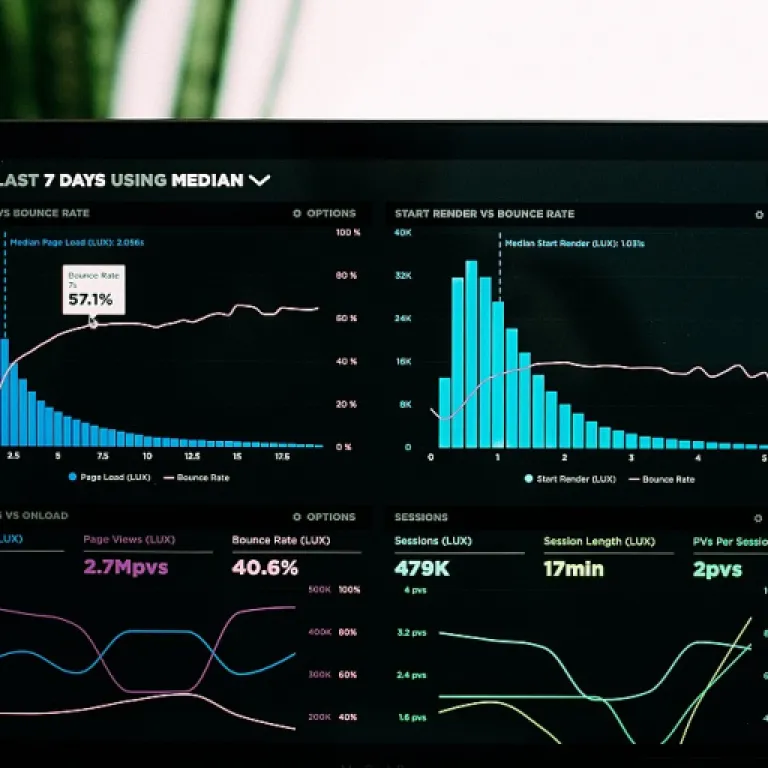
- Performance Monitoring: AI-driven dashboards track key SEO metrics in real time, enabling agencies to adjust their strategy and management approach quickly.
For data driven companies, these automated services mean faster turnaround times and more accurate results. Marketing agency teams, regardless of team size, can scale their efforts efficiently. In sectors like science marketing and business intelligence, where data volume is high, automation ensures that no critical SEO opportunity is missed.
Top data marketing agencies are also integrating automation into their web design and social media management services. This holistic approach allows for seamless coordination across all digital channels, supporting a unified strategy for clients. As a result, companies benefit from improved SEO performance, better analytics, and a stronger competitive edge in their industries.
Measuring SEO performance with AI-driven insights
Turning Data into Actionable SEO Insights
Data driven marketing agencies are transforming how companies measure SEO performance. With the integration of artificial intelligence, digital marketing teams can now move beyond basic analytics and tap into advanced data science techniques. This shift is empowering businesses in industries like healthcare, real estate, and e-commerce to make smarter, faster decisions about their SEO strategy.
- Automated Reporting: AI-powered software collects and analyzes big data from multiple sources, providing real-time dashboards for key performance indicators. This automation saves time for marketing agencies and allows for more accurate tracking of SEO campaigns.
- Performance Attribution: By leveraging business intelligence tools, top digital agencies can pinpoint which content, keywords, or channels are driving the most traffic and conversions. This level of detail helps optimize lead generation and management efforts.
- Predictive Analytics: AI models forecast future trends based on historical data, enabling companies to adjust their SEO strategies proactively. This is especially valuable for industries where search trends shift rapidly, such as science marketing or digital services.
Key Metrics and Customization
Modern data marketing companies use AI to tailor performance metrics to each client’s needs. Whether the goal is to boost social media visibility, improve web design engagement, or grow organic traffic, AI-driven analytics provide actionable insights. Top data analytics agencies often customize dashboards to reflect unique business objectives, team size, and key services.
| Metric | AI-Driven Benefit | Industry Example |
|---|---|---|
| Organic Traffic Growth | Automated anomaly detection | Healthcare, Real Estate |
| Keyword Rankings | Dynamic tracking and forecasting | Digital Marketing, Agencies |
| Conversion Rate | Attribution modeling | Lead Generation, E-commerce |
Continuous Improvement for Competitive Advantage
AI doesn’t just measure performance—it helps companies and agencies iterate and improve. By analyzing big data sets, AI identifies patterns that humans might miss, allowing for ongoing development of SEO strategies. This continuous feedback loop is what sets top agencies and driven marketing teams apart, ensuring they stay ahead in a competitive digital landscape.